Spray Foam vs. Blown In vs. Batt Insulation: Which Is Right for Your Bremerton Home With Full Service Residential Insulation?
Choosing the right insulation matters in Bremerton, WA. Sitting on the Kitsap Peninsula, the city deals with gray, wet winters and humid marine air that can drive moisture into walls, crawl spaces, and attics. Full service residential insulation covers three main material options. Here is how they compare.
Spray Foam Insulation for Coastal Climates
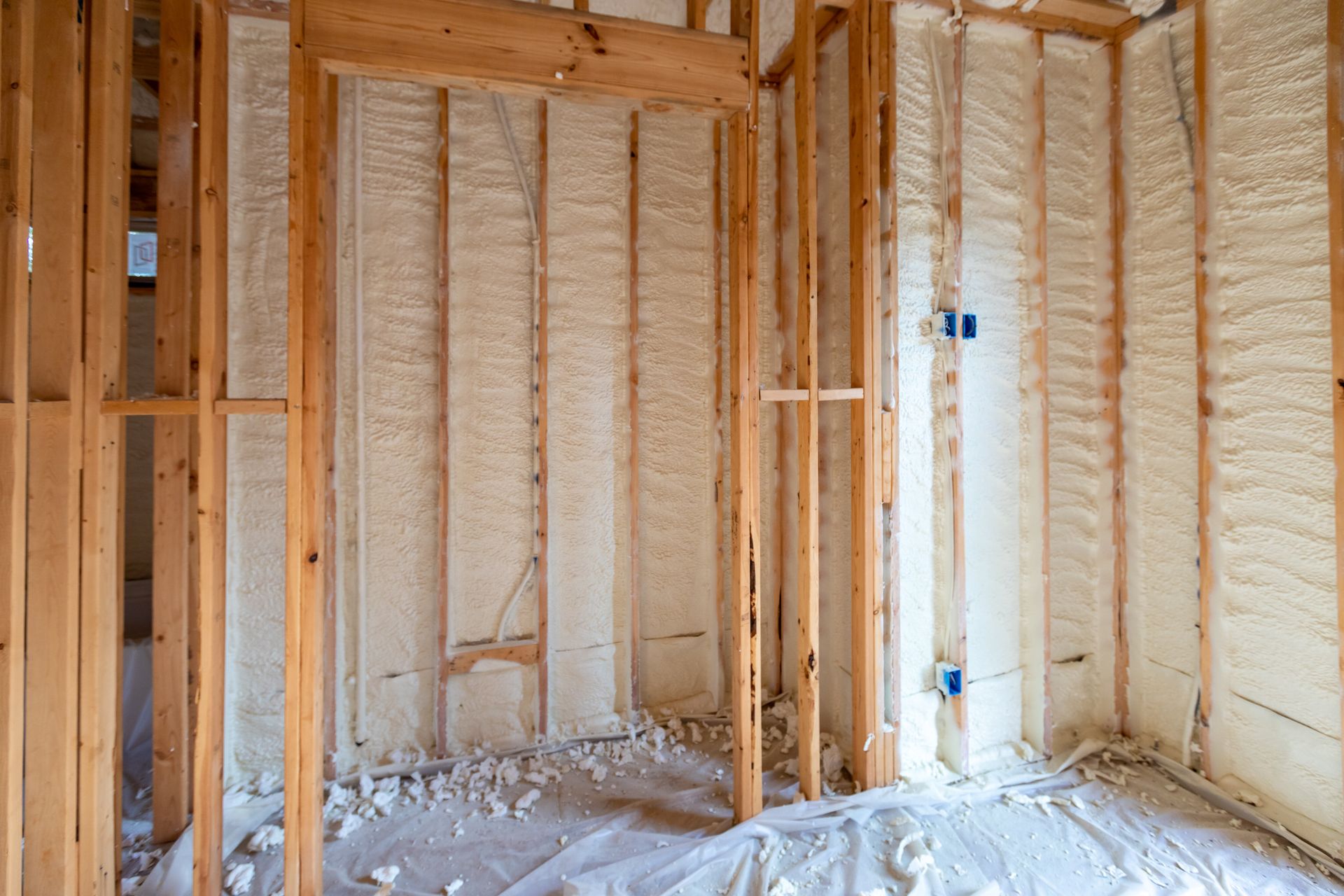
Closed cell spray foam creates a rigid, dense barrier that resists moisture and delivers a high R value per inch. For Bremerton homes with vented crawl spaces, applying it to rim joists and crawl space walls reduces the cold, damp air that creeps up through floors in winter. Open cell spray foam seals air effectively and suits attic cavities where sound dampening is also a priority. Both types conform to irregular shapes, filling gaps that pre cut materials miss.
Spray foam requires professional application and is a higher investment option, but its dual role as an air barrier and thermal insulator makes it worth considering for targeted problem areas.
Blown In Insulation for Attic Retrofits
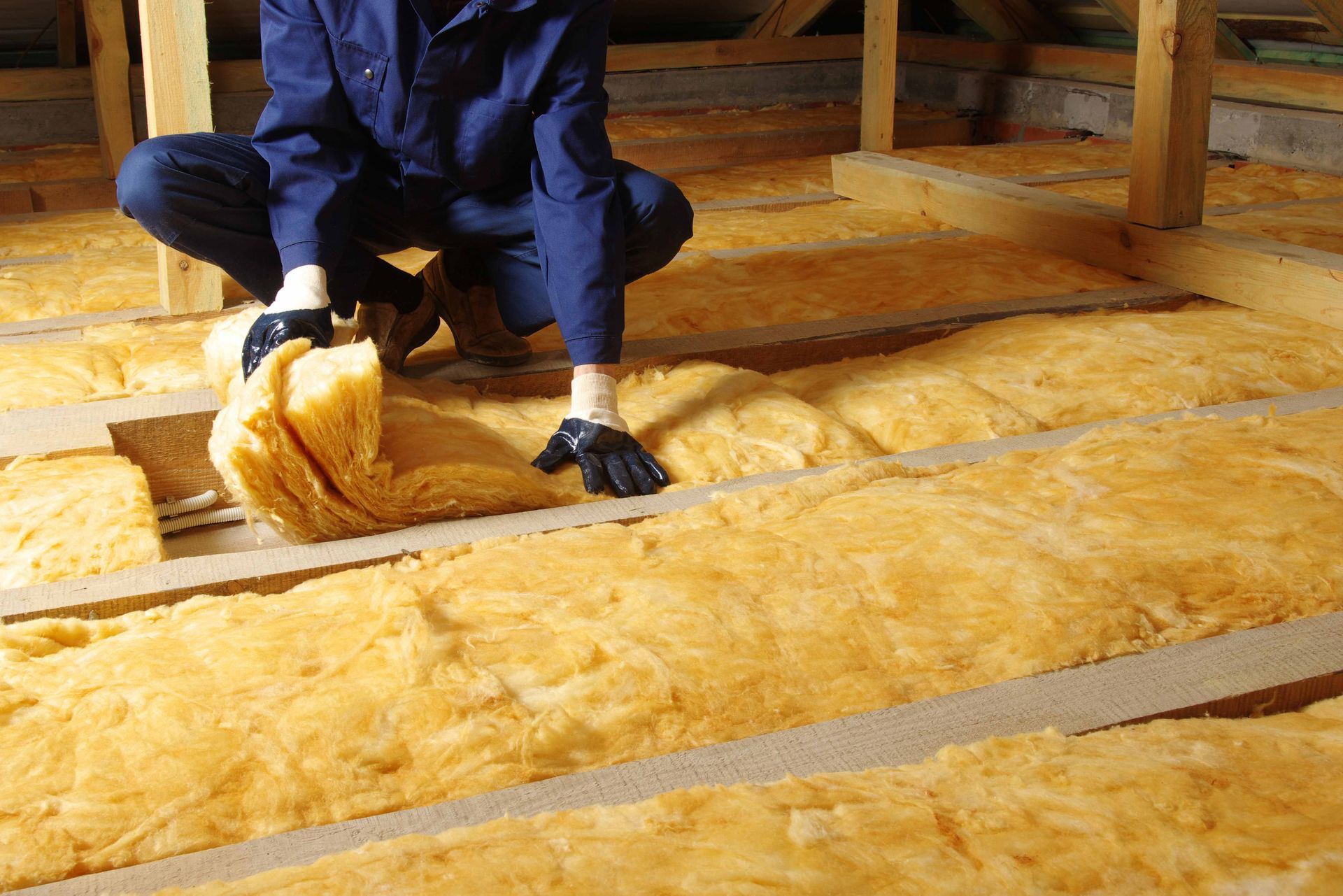
Blown in loose fill cellulose or fiberglass is pneumatically installed into attics and hard to reach spaces without leaving voids. For Bremerton homes built before the 1980s, which often have thin or settled attic insulation, blown in material can top off existing layers quickly. Cellulose is treated for fire and moisture resistance but may settle over time, so correct installation density matters. Fiberglass blown in is lightweight and settles less, making it another solid attic choice.
Full service residential insulation includes proper density calibration to get the most out of blown in materials in older homes.
Batt Insulation for New Construction and Open Walls
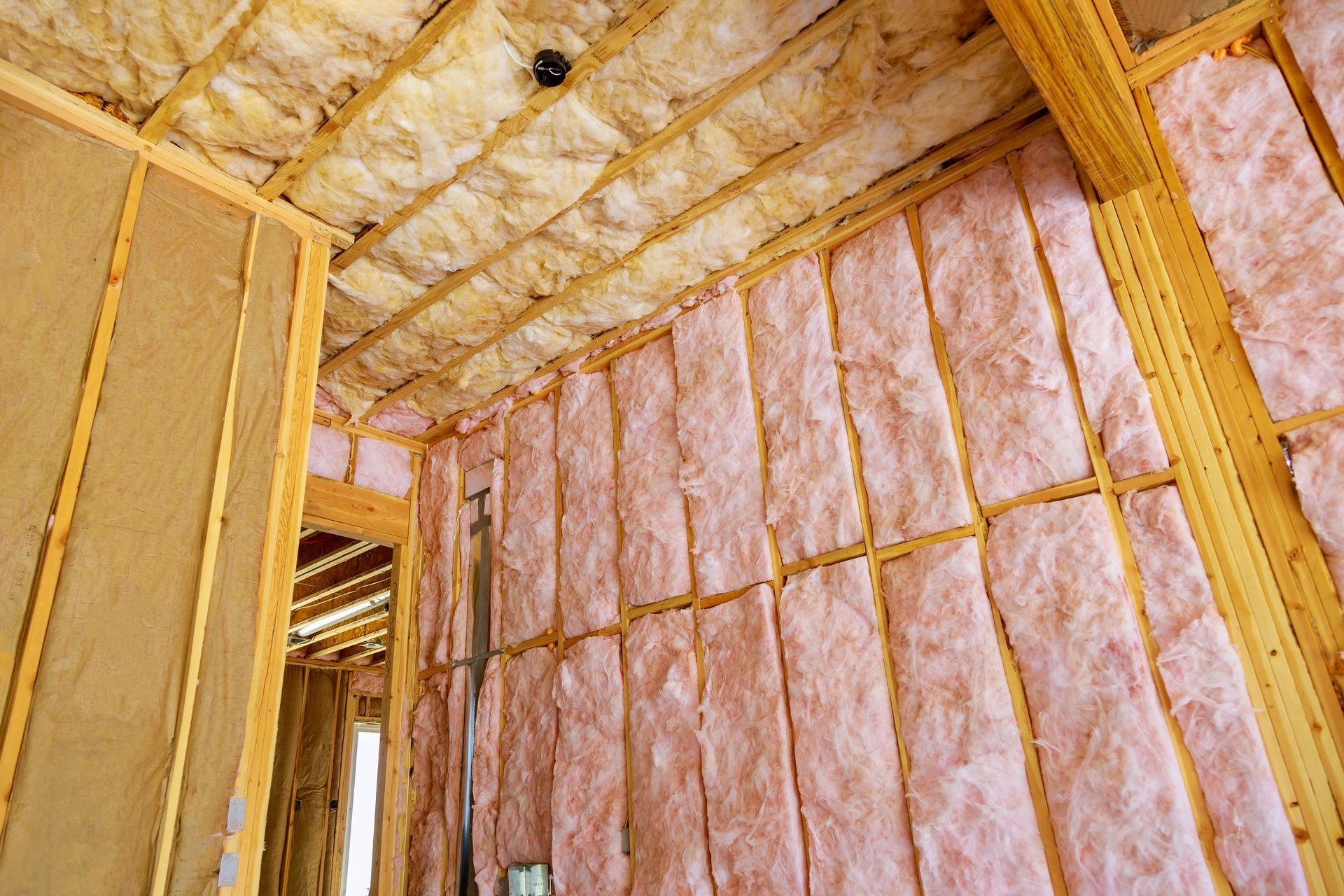
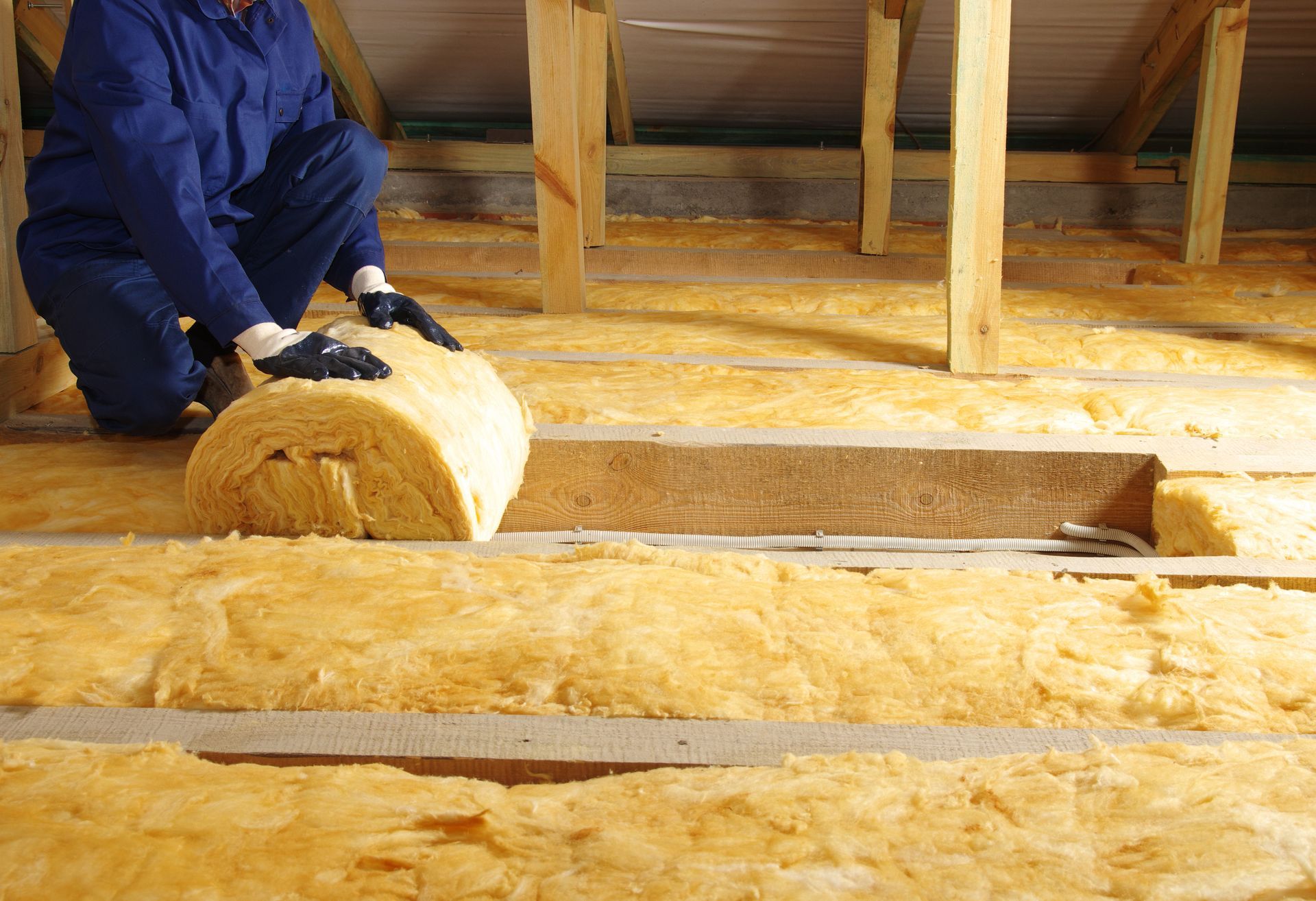
Fiberglass or mineral wool batts fit between wall studs and floor joists and work best in open, standard framed cavities during new construction or renovation. Bremerton neighborhoods like Manette and East Bremerton have seen growing renovation activity where batts serve as the primary wall solution.
The key limitation in the Pacific Northwest is air sealing. Batts slow heat transfer but do not stop air movement on their own. Pairing batts with air sealing at rim joists, top plates, and penetrations prevents moisture laden marine air from reaching cold surfaces inside walls.
Which Option Fits Your Bremerton Home?
The best insulation type depends on the specific area and age of the home.
- Crawl spaces and rim joists: Closed cell spray foam offers the strongest combination of moisture resistance and thermal performance.
- Older attics needing an upgrade: Blown in insulation adds R value efficiently without a full tear out.
- Open wall cavities during renovation or new construction: Batt insulation paired with air sealing is a practical, proven approach.
- Sound sensitive spaces: Open cell spray foam or dense blown cellulose helps reduce noise transfer.
Many homes benefit from a combination of all three materials, each used where it performs best.
What Is the Best Insulation for a Damp Pacific Northwest Climate?
Closed cell spray foam offers the strongest moisture resistance and can act as its own vapor barrier. Dense packed blown in cellulose also performs well. Batts work effectively when combined with a vapor retarder and thorough air sealing.
Can I Upgrade My Insulation Without a Full Renovation?
Yes. Blown in insulation can be added to existing attics without removing drywall. Spray foam can be applied to accessible crawl spaces and rim joists without major construction.
Get a Free In Home Assessment Serving Bremerton, WA
Every Bremerton home is different. Tracy's Insulation serves homeowners throughout the area with
full service residential insulation tailored to the Pacific Northwest climate. Call
(360) 582-9600 to request a free in home assessment, or
contact the team online to get started. You can also find and review
Tracy's Insulation on Google.